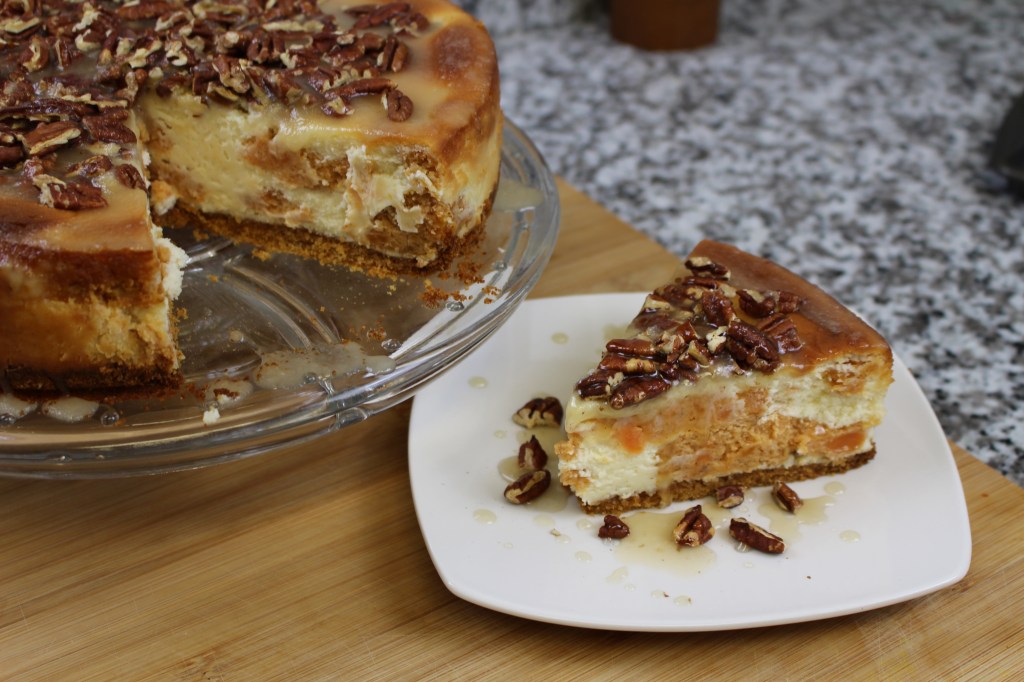
The phenomenon of ‘food’, the art of cuisine, and how we’ve transformed a practice for survival into everything that it is, to me, is one of the defining cornerstones of humanity. I am fascinated by the art and science behind it, and how the development of different flavors, and techniques, even the incorporation of technology, creates a multidimensional, multi-sensational, phenomenon. I love how food tells stories through all of our senses and how it has been an instrumental way for me to connect with the world, with others, and with myself. I use this space, The Brite Side, to share these stories and my own. Through exploring the culinary arts as a creative outlet, I’ve been able to link my experience and identity with ideas and flavors that inspire me. I consider the pan my canvas and the world of ingredients my paints. One of my favorite dishes that I’ve created is my Sweet Potato Swirl Cheesecake, and its one of my favorites because of how inspirations that align different parts of my life magically, and deliciously, came together. I was born in New York, into a Caribbean family from Barbados, and was raised in Metro Atlanta, and each of these factors is a foundational theme in my mosaic. The layering of traditional New York Style Cheesecake with a southern dessert staple feels, and tastes, like a celebration to my life. The rum glaze, made from Barbados rum, adds a delightful twist.
Food has been an important way that my family stays connected. Whether I am grabbing a slice of pizza with a cousin, or making carrot cakes with my mom and sister for Thanksgiving dinner, food creates moments that serve as the building blocks for the treasured relationships I have with my family, despite being spread out across the world. My grandmother, Annie, is someone I share my love for food with and, for me, she is the living embodiment of the intersection between food, family, and love. At the center of every milestone, birthday, holiday, funeral or casual gathering is oxtail, peas and rice, curry goat, macaroni pie and any and everything in-between as cousins, aunts and uncles have added to the staples over the years. At the center of all of the festivities is always Grandma, prepping and stirring, offering a helping hand, or at least offering my services in her stead. Whether it was accompanying her to deliver homemade soup to a sick friend, helping her make desserts for our oldest cousin’s 101st birthday party, or trying to avoid her endless cups of bush tea when I had a cough, I have countless memories of Grandma showing and teaching me how food can be used to connect, love and care for family, whether it’s the one you’re born with or the one you pick up along the journey. Contrastingly, I’ve also been able to grow a connection to my father’s family and Italian heritage through food, but in a different way. My father has been absent for the majority of my life, since I was about three years old, and the opportunities to build relationships with him or that side of my family have been sparse. My mother has shared stories of the large Italian family dinners that we used to attend when I was a baby, with everything from giant meatballs to chicken cutlets, which I apparently loved. My exploration through Italian Cuisine, and learning to make handmade pastas, sauces, and ragù, has been a bridge to feeling a little more connected to my father’s family. When I make those dishes, a small piece of those stories I remember overlaps into my world.
I love how a meal can serve as a vessel for creating, building and nurturing relationships. In professional settings, particularly in spaces where there aren’t a lot of people that look like me, food has become an enriching way for me to build bridges and connect with people outside the scope of work. Although we all experience it and express ourselves through it differently, we all eat. Recently, my team shared a meal at an Ethiopian restaurant named Bole, where they served our meal of tibs, misir wot, gomen, and other assorted vegetables on a shared bed of injera. As our hands crossed over the platter to grab a bite of lamb, or a scoop of lentil, our conversation crossed over to different thoughts and bits of ourselves that we seldom get the chance to connect through during the hustle and bustle of peak flying season for the airline. I believe that the boundaries that were blurred through our sharing that meal, on that communal plate, helped blur boundaries that enabled us to bond and appreciate our different dimensions. I am grateful for experiences like this and the ones to come that help me to get to know and understand people, especially when there’s food involved.

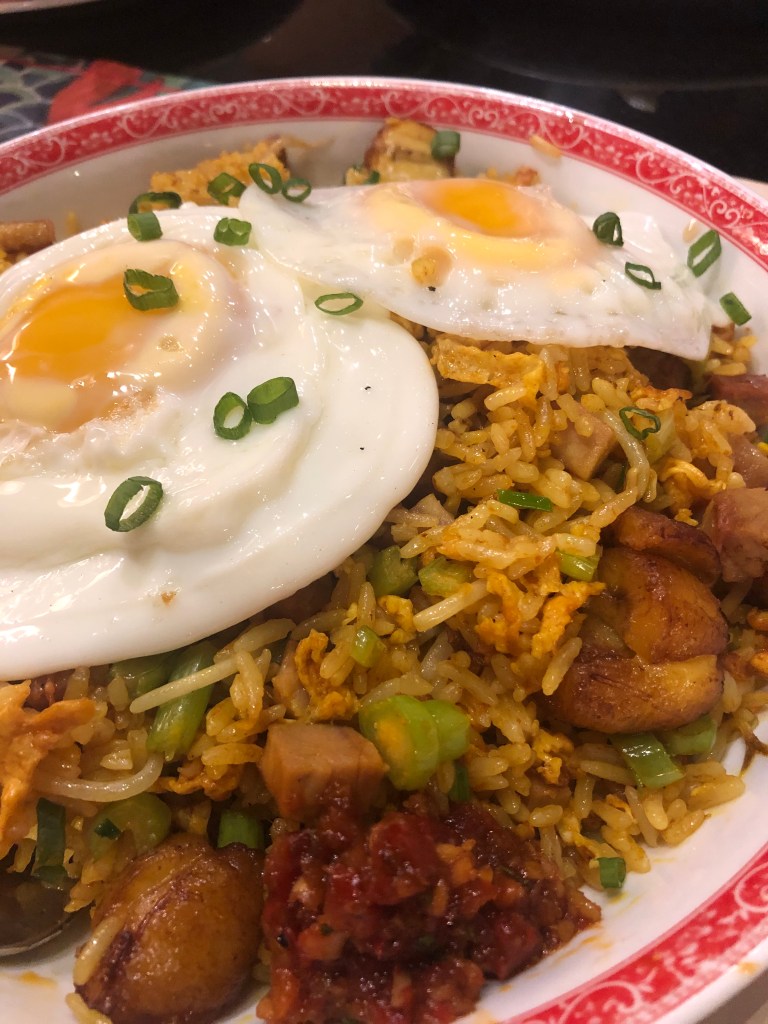
It’s amazing to me that we can explore hundreds of years of history of a place, a people, and a person through a meal. Food tells our histories throughout the world and serves as a reminder to the experiences that bind us. The connections between my Caribbean, and African-American cultures, to African culture, demonstrate the lasting impacts of the shared experience that was the Transatlantic Slave Trade. Many Caribbean and West African culinary traditions mirror each other, such as stewing meats to serve with rice, and frying plantain. In North America and the Caribbean, the enslaved Africans’ tradition of innovation in preparing the scraps they were allocated manifest in present day staples – from oxtail, cow foot soup, and cabbage, to collard greens, and ‘chitlins’, many of which are now considered a delicacy. This pattern repeats in countless ways. Different geographical locations, and cultures connect their shared history through common ingredients, and blended culinary traditions that we see today. I made my first visit to South America in February of this year to Lima, Peru. I was absolutely delighted to indulge in the famous ceviche and pisco sours, but one of the most remarkable experiences of that trip was experiencing the Peruvian-Chinese fusion cuisine known as Chifa. Fried rice with sweet banana, and dim sum dumplings filled with spiced goat served along with more traditional flavors was a tangible view into the history of Chinese immigration to Lima. Traveling and understanding the stories told by the different cuisines has been an invaluable contribution to my growth and has developed my insight into different perspectives. Throughout the world, food serves as a lens to our shared history and a reminder to our shared humanity.
The Italian Operatic Tenor, Luciano Pavarotti said, “One of the very nicest things about life is the way we must regularly stop whatever it is we are doing and devote our attention to eating.” From being a tool to break down silos and barriers between people, to helping me to lean into my authenticity as I share my unique experience and perspective, my relationship with food, and the way it permeates through the different areas of my life, has been an invaluable part of my journey and cherished privilege. As time moves forward, and I progress through my life, I hope to impact lives and help to leave the world a little better than I found it. I look forward to the meals to come, to the moments that connect us, and remind us to share the love we have for each other.
 The Brite Side